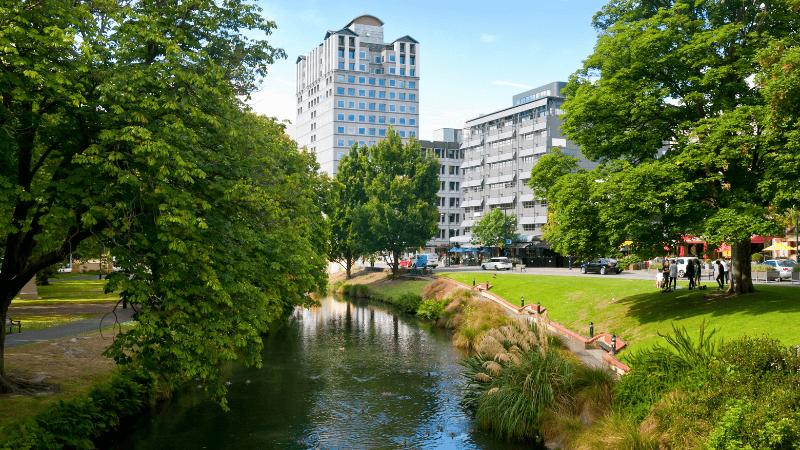
One of the biggest decisions you'll make when moving to New Zealand is choosing where to live. Should you head to the hustle of Auckland? The cultural buzz of Wellington? The affordability of Christchurch? Or perhaps a quieter regional city? Each location offers a unique mix of opportunities, lifestyle, and challenges — and choosing the right one could make or break your migration experience.
In this guide, we compare New Zealand's main cities so you can make an informed choice based on your career, family needs, and lifestyle priorities. If you're serious about understanding the financial side of each location, also check out our comprehensive cost of living breakdown.
What to Consider When Choosing Where to Live
Before diving into specific cities, think about what matters most to you:
- Job market: Does your industry have strong demand in that city? For comprehensive guidance on researching job markets and finding work in New Zealand, read our detailed guide on finding work in New Zealand.
- Cost of living: Can you afford housing, childcare, and daily expenses? Once you've chosen a city, you'll also need to decide whether renting or buying property makes more sense for your situation and budget.
- Climate: Do you prefer warmer, sunnier weather or cooler, greener landscapes? Our complete guide to New Zealand's climate and weather patterns helps you understand what to expect in each region.
- Community & culture: Are you looking for a multicultural hub or a tight-knit smaller community? Understanding Kiwi culture and how to make friends varies by city size and demographic.
- Schools & family services: What are the schooling options and healthcare facilities like? If you're moving with children, our complete guide for families covers schools, healthcare, and settling kids into NZ life.
- Outdoor lifestyle: How important is proximity to beaches, mountains, or national parks?
Understanding these priorities will help you match your expectations to the reality of each city. If you haven't yet researched whether moving to New Zealand is viable for your situation, start with our guide: Is Moving to New Zealand a Viable Option for You?
Auckland: The Largest City & Economic Hub
Overview
Auckland is New Zealand's largest and most diverse city, home to nearly 1.7 million people. It's the economic powerhouse, offering the most job opportunities, especially in tech, finance, engineering, construction, and healthcare.
Pros
- Job opportunities: The best job market in New Zealand, especially for skilled professionals
- Multicultural: A diverse population with strong migrant communities from Asia, the Pacific, and beyond
- Amenities: Best shopping, dining, entertainment, and international connections
- Climate: Mild, with warm summers and relatively mild winters
- Beaches: Surrounded by stunning beaches on both coasts
Cons
- Cost of living: The most expensive city in New Zealand for housing and rent
- Traffic: Growing congestion issues, especially during peak hours
- Housing shortage: Competitive rental market, hard to find quality homes (our guide to finding rental accommodation helps with strategies)
- Fast-paced: Can feel impersonal compared to smaller cities
Best For
Professionals in high-demand industries, those seeking multicultural communities, families wanting access to top-tier international schools, and anyone prioritizing career growth over affordability.
Cost Snapshot (2026)
- 3-bedroom house rent: $650–$780/week
- Average household income needed: $110,000–$140,000+
Wellington: The Capital City & Cultural Heart
Overview
Wellington is New Zealand's capital and second-largest city. It's known for its vibrant arts scene, thriving café culture, and status as the center of government and creative industries.
Pros
- Culture & lifestyle: Excellent food, arts, theatre, museums, and festivals
- Walkable & compact: Easy to get around, strong sense of community
- Job opportunities: Strong government sector, tech, film, and creative industries
- Education: Good schools and close to Victoria University of Wellington
- Harbor views: Beautiful waterfront and proximity to nature
Cons
- Weather: Windy and unpredictable — known as "Windy Wellington" (learn more about New Zealand's climate patterns)
- Cost of living: Second most expensive after Auckland
- Smaller job market: Fewer opportunities outside government and creative sectors
- Housing: Limited supply, especially for larger families
Best For
Government workers, tech professionals, creatives, and those who value cultural experiences, café culture, and community vibrancy over weather predictability.
Cost Snapshot (2026)
- 3-bedroom house rent: $600–$720/week
- Average household income needed: $100,000–$130,000+
Christchurch: The Affordable Garden City
Overview
Christchurch is New Zealand's third-largest city and the gateway to the South Island. After the 2011 earthquakes, it's been rebuilt with modern infrastructure, making it more affordable and accessible for migrants.
Pros
- Affordability: Significantly cheaper housing and cost of living than Auckland or Wellington
- Job market: Growing sectors in construction, healthcare, education, and agriculture
- Modern infrastructure: New buildings, transport, and facilities post-rebuild
- Outdoor access: Close to mountains, beaches, and ski fields
- Flat & bike-friendly: Easy to navigate by bike or car
Cons
- Smaller city feel: Less cultural diversity and fewer entertainment options
- Colder winters: Can be chilly and gray compared to the North Island
- Limited job sectors: Fewer opportunities in tech, finance, and specialized fields
Best For
Families seeking affordability, outdoor enthusiasts, and professionals in healthcare, education, or construction who want a quieter, more relaxed lifestyle.
Cost Snapshot (2026)
- 3-bedroom house rent: $480–$580/week
- Average household income needed: $80,000–$100,000+
Hamilton: The Waikato Hub
Overview
Hamilton is New Zealand's fourth-largest city, located in the heart of the Waikato region. It's a growing city with strong ties to agriculture, education, and regional industries.
Pros
- Affordable: Lower cost of living and housing than Auckland or Wellington
- Growing job market: Agriculture, dairy, healthcare, and education sectors
- Central location: Easy drive to Auckland, Tauranga, and Rotorua
- Family-friendly: Good schools and community facilities
Cons
- Limited cultural scene: Smaller city with fewer entertainment options
- Job market: Fewer opportunities outside agriculture and education
- Less diverse: Smaller migrant population
Best For
Families looking for affordability near Auckland, professionals in agriculture, dairy, or education, and those who prefer suburban living with access to regional centers.
Cost Snapshot (2026)
- 3-bedroom house rent: $480–$560/week
- Average household income needed: $75,000–$95,000+
Queenstown: The Adventure Capital
Overview
Queenstown is a stunning resort town known for tourism, adventure sports, and breathtaking scenery. It's a popular destination for working holidaymakers and lifestyle migrants.
Pros
- Stunning scenery: Mountains, lakes, and world-class outdoor activities
- Tourism jobs: Hospitality, tourism, and service industries thrive here
- Vibrant social scene: Lively bars, restaurants, and international community
- Year-round activities: Skiing in winter, water sports in summer
Cons
- Very expensive: Housing and cost of living are extremely high due to tourism demand
- Seasonal work: Many jobs are tourism-based and fluctuate with seasons
- Limited sectors: Few opportunities outside tourism and hospitality
- Small town: Can feel isolated, especially in winter
Best For
Adventure seekers, hospitality professionals, and those prioritizing lifestyle over career stability. Not ideal for families seeking long-term stability or professionals outside tourism.
Cost Snapshot (2026)
- 3-bedroom house rent: $700–$850/week
- Average household income needed: $120,000–$150,000+
Dunedin: The Student City & Southern Gem
Overview
Dunedin is a university city in the South Island, known for its Scottish heritage, vibrant student culture, and affordability.
Pros
- Affordable: One of the cheapest cities in New Zealand
- Strong education sector: Home to the University of Otago, great for academic and healthcare jobs
- Culture & history: Beautiful Victorian architecture and rich heritage
- Tight-knit community: Friendly, welcoming, and slower pace of life
Cons
- Cold winters: Colder and wetter than most of New Zealand
- Limited job market: Fewer opportunities outside education and healthcare
- Remote: Far from major centers, can feel isolated
- Smaller city: Less diversity and fewer amenities
Best For
Healthcare professionals, academics, students, and those seeking a quiet, affordable lifestyle with strong community ties.
Cost Snapshot (2026)
- 3-bedroom house rent: $420–$520/week
- Average household income needed: $70,000–$90,000+
Regional Towns & Smaller Cities
Beyond the main cities, New Zealand has many smaller towns and regional centers that offer unique opportunities:
- Tauranga: Sunny, coastal, popular with retirees and families, growing job market in horticulture and logistics
- Napier & Hastings: Wine country, art deco architecture, strong agriculture and food production sectors
- Palmerston North: Central location, affordable, strong education and agriculture sectors
- Nelson: Sunny climate, arts community, outdoor lifestyle, tourism and horticulture jobs
- Invercargill: Very affordable, strong agriculture sector, coldest and most remote major town
Regional towns often offer more affordable housing, tight-knit communities, and easier access to nature — but fewer job opportunities and amenities.
Transport Considerations: Do You Need a Car?
One critical factor when choosing where to live is transport. Auckland and Wellington have reasonable public transport systems, but most other New Zealand cities and all regional towns require a car for daily life. For a complete overview of public transport options across different cities and buying a car in New Zealand, read our comprehensive transportation guide.
If you're planning to settle outside Auckland or central Wellington, you'll almost certainly need a vehicle for work, school runs, groceries, and weekend activities. This means converting your overseas driver's license should be a top priority after arrival. Our complete guide covers conversion requirements, costs, and driving rules in New Zealand.
How to Choose the Right City for You
Here's a quick decision framework:
- Prioritize career? → Auckland or Wellington
- Prioritize affordability? → Christchurch, Hamilton, or Dunedin
- Prioritize lifestyle & culture? → Wellington or Nelson
- Prioritize outdoor adventures? → Queenstown, Tauranga, or Christchurch
- Prioritize community & family? → Hamilton, Christchurch, or regional towns
Once you've narrowed down your city, it's essential to understand the full financial picture. Our detailed guide on the cost of living in New Zealand breaks down housing, groceries, transport, and lifestyle costs across different regions.
And if you're ready to start budgeting for your move, check out How to Budget & Save for Your Move to New Zealand to ensure you're financially prepared for relocation.
What About After You Arrive?
Once you've chosen your city and made the move, the first few months are critical. You'll need to find housing, set up bank accounts, register with a GP (understanding New Zealand's healthcare system helps), get your IRD number, and start settling in. Setting up phone, internet, and utilities is also essential in your first week.
Our guide on What to Expect in Your First 6 Months in New Zealand walks you through exactly what to do after arrival, so you can hit the ground running and avoid common mistakes. Getting familiar with essential apps and websites for New Zealand will also make daily life much easier, from grocery shopping to banking and navigation.
Plan Your Move with Confidence
Choosing where to live in New Zealand is a big decision — but with the right research and planning, you can find the perfect fit for your career, family, and lifestyle.
If you want to stay organized throughout your migration journey, consider using The Migrate Hub.
With The Migrate Hub, you can:
- Build your personalised NZ immigration checklist
- Track documents and requirements for each stage
- Access resources tailored to your chosen city
- Stay on top of every step without feeling overwhelmed
Get started for free today and turn your New Zealand dream into reality.
Ready to Plan Your Move to New Zealand?
Create your personalised immigration checklist, track your progress, and access links to official government resources and trusted NZ service providers.
Get Started Free100% Free • No credit card required • Always free
Continue Your Research:
- → Moving to New Zealand with Children: Schools, Healthcare & Family Life (2026)
- → Cost of Living in New Zealand: A Realistic Breakdown (2026)
- → How to Budget & Save for Your Move to New Zealand (2026 Guide)
- → What to Expect in Your First 6 Months in New Zealand (2026 Guide)
- → Is Moving to New Zealand a Viable Option for You?
- → Why Move to New Zealand? 15 Inspiring Reasons People Choose Aotearoa
- → Explore Our New Zealand Immigration Planning Features