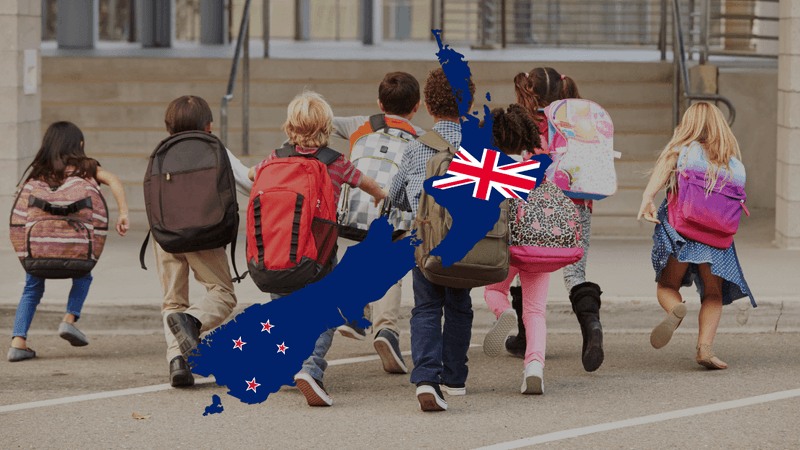
Moving to New Zealand with children brings unique challenges and concerns that solo migrants or couples without kids don't face. Will your children settle in? What's the school system like? How do you find the right school? What about healthcare?
After speaking with hundreds of families who've made the move, I can tell you that while moving to New Zealand with children requires additional planning, most families find it to be one of the best decisions they've ever made. New Zealand consistently ranks as one of the safest, most family-friendly countries in the world, with excellent education, quality healthcare, and an outdoor lifestyle that kids thrive in.
This guide covers everything you need to know about moving to New Zealand with children in 2026, from understanding the school system to accessing healthcare, managing family costs, and helping your kids settle into Kiwi life.
Understanding the New Zealand Education System
The New Zealand education system is divided into three main stages: primary school (Years 1-6 or 1-8), intermediate or middle school (Years 7-8, though many schools go straight from primary to secondary), and secondary school or high school (Years 9-13).
Children typically start school on their fifth birthday, though many attend Early Childhood Education (ECE) centres beforehand. The school year runs from late January to mid-December, divided into four terms with two-week breaks between terms and a longer summer break over Christmas.
Public vs. Private Schools
About 85% of New Zealand children attend state schools (public schools), which are free for domestic students and residents. State schools maintain high standards, and many families are very happy with the quality of public education. Each school has a "decile" rating from 1-10, which indicates the socio-economic status of the school's community rather than the quality of teaching. Many excellent schools exist across all decile ratings.
Private schools (also called independent or integrated schools) charge fees ranging from NZD $3,000 to $30,000+ per year. These schools often offer smaller class sizes, specialized programs, or religious education, but public schools can be equally excellent depending on your area and your child's needs.
School Zones and Enrollment
Many popular schools in New Zealand have enrollment zones, meaning you must live within a specific geographic area to guarantee enrollment. This is particularly important in major cities like Auckland and Wellington. Before choosing where to live in New Zealand, research school zones in your preferred areas. Schools publish their zone maps online, and real estate agents are usually familiar with school catchment areas.
If you're considering a particular school, contact them well in advance of your arrival. Some schools have waiting lists, while others may have space available for out-of-zone students.
Choosing the Right School for Your Family
Finding the right school for your children is one of the most important decisions you'll make when moving to New Zealand. Here's how to approach it:
Research Before You Arrive
Start by browsing the Education Review Office (ERO) website, which publishes detailed reports on every school in New Zealand. These reports evaluate teaching quality, student achievement, school culture, and leadership. They're invaluable for understanding what a school is really like beyond marketing materials.
Look at school websites to understand their values, programs, and facilities. Check if they offer specific programs your child might need, such as ESOL (English for Speakers of Other Languages) support, gifted programs, or sports/arts specializations.
Join local Facebook groups for the areas you're considering and ask parents about their experiences. Kiwi parents are generally open and honest about local schools.
Visit Schools in Person
If possible, visit New Zealand before your permanent move and schedule school visits. Most schools welcome prospective families for tours. During these visits, observe the atmosphere, talk to the principal, and pay attention to how students interact. Does the environment feel welcoming? Are students engaged? Does the school culture align with your family's values?
Many families time their initial "reconnaissance trip" around school terms so they can see schools in action rather than during holidays.
International Schools
Several international schools operate in New Zealand, primarily in Auckland and Wellington. These schools follow curricula like the International Baccalaureate (IB) or British system and can be helpful for families planning to move again in the future. However, they're expensive (often NZD $25,000-$35,000+ per year) and may delay your children's integration into Kiwi culture.
Most families who plan to stay long-term choose state schools to help their children adapt to the New Zealand education system and make local friends.
Healthcare for Children in New Zealand
New Zealand's public healthcare system provides good quality care, and children receive significant benefits that help keep family healthcare costs manageable. For a complete overview of how the healthcare system works, including how to access GPs, specialists, and emergency care, read our comprehensive guide on understanding New Zealand's healthcare system.
Free Healthcare for Children
Children under 14 receive free GP (general practitioner) visits and prescriptions in New Zealand. This is a significant benefit compared to many other countries. For children aged 14-17, GP visits cost around NZD $20-$40, still significantly subsidized.
Public hospital care is free for residents and citizens, including emergency department visits, specialist referrals, and necessary treatments. If your child needs hospitalization, you won't face crippling medical bills like in some other countries.
Registering with a GP
One of your first tasks after arriving should be registering your family with a local GP practice. You're free to choose any practice that's accepting new patients, though it makes sense to choose one close to home. You'll need to provide proof of identity and residency for each family member. For more guidance on setting up essential services when you arrive, including utilities and phone connections, read our detailed guide on getting connected in New Zealand.
Most GP practices have nurses who handle vaccinations, health checks, and minor ailments. They're an excellent first point of contact for non-emergency health concerns.
Dental Care
Children in New Zealand receive free basic dental care through the school year up to their 18th birthday. This is provided through the Community Oral Health Service, either at school or at local dental clinics. Basic treatments like check-ups, fillings, and extractions are covered, though extensive orthodontic work isn't always fully covered and may require additional costs.
Vaccinations
New Zealand has a free national immunization schedule for children. While vaccinations aren't mandatory by law, they're strongly encouraged, and most schools request vaccination records during enrollment. Your GP or pediatric nurse can provide information about which vaccines your children should receive and catch up on any they might have missed.
Healthcare Costs in Your Family Budget
While children's healthcare is largely free or subsidized, you'll still want to budget for some health-related expenses. Private health insurance for families costs approximately NZD $200-$400+ per month, depending on coverage levels. Many families opt for insurance to avoid waiting times for non-urgent surgeries or to access private specialists. For guidance on choosing the right insurance coverage for your family, read our comprehensive guide on insurance in New Zealand for migrants.
Budget for over-the-counter medications, dental work beyond basic care (like orthodontics, which can cost NZD $5,000-$8,000), eyeglasses, and any specialized therapies your children might need. As we detailed in our cost of living guide, a family of four typically budgets around NZD $100-$200 per month for health-related expenses beyond insurance premiums.
Settling Your Children Into Kiwi Life
The social and emotional adjustment is often the biggest concern for parents moving with children. How long will it take for them to make friends? Will they struggle with the accent? Will they feel homesick?
Cultural Adjustment Period
Most children adapt faster than adults, especially younger children. Within 3-6 months, most kids have made friends, adjusted to their new school, and started speaking with a Kiwi accent (which often surprises parents). However, the adjustment isn't always smooth, and temporary setbacks are normal.
Teenagers sometimes find the transition harder than younger children, particularly if they left close friends behind. Be patient, keep communication open, and consider connecting with other expat families who understand what you're going through. Understanding Kiwi culture and how to make friends in New Zealand helps both parents and children adjust more smoothly to their new environment.
School Term Dates and Holidays
The New Zealand school year differs significantly from Northern Hemisphere countries. The year runs from late January to mid-December, with four terms:
- Term 1: Late January to mid-April
- Term 2: Late April to early July
- Term 3: Mid-July to late September
- Term 4: Mid-October to mid-December
Two-week breaks separate each term, and the summer holiday (roughly mid-December to late January) is about six weeks long. These long breaks require planning, especially if both parents work. Many parents use a combination of holiday programs, camps, grandparent visits, and annual leave to cover school holidays.
Making Friends and Building Community
Schools are the primary social hub for children in New Zealand. Encourage your children to join sports teams, music groups, or after-school activities. Kiwi kids are generally friendly and welcoming, and shared activities provide natural friendship opportunities.
For parents, school communities offer opportunities to connect with other families. Many schools have parent associations, volunteer opportunities, and social events. Getting involved helps both you and your children integrate faster.
As we discussed in our first 6 months guide, building a support network is crucial for families. Consider joining local parent groups on Facebook, attending community events, and connecting with other migrant families through organizations like Newcomers Network.
Family-Friendly Lifestyle in New Zealand
One of the biggest draws for families moving to New Zealand is the lifestyle. New Zealand culture strongly values work-life balance, outdoor activities, and family time. Parents generally leave work on time to pick up children, and it's perfectly normal to prioritize family commitments over work obligations.
Outdoor Activities and Recreation
New Zealand is an outdoor paradise for children. Beaches, playgrounds, hiking trails, and parks are abundant and accessible. Most are free or very low-cost. On weekends, you'll see families picnicking at beaches, tramping through forests, or playing at local parks.
Many children participate in organized sports like rugby, netball, cricket, football (soccer), or swimming. School sports are usually free or very affordable, with community clubs charging modest fees (often under NZD $200 per season). To learn more about New Zealand's sports culture and how to get involved, read our guide on New Zealand sports culture and getting involved.
Safety and Freedom
New Zealand's low crime rate means children often have more freedom than in other countries. It's common to see primary-age children walking or biking to school, and older children taking public transport independently. Many families comment that this independence helps their children develop confidence and life skills.
That said, road safety education is important, particularly for children from countries that drive on the right side of the road. Take time to teach your children New Zealand road rules and practice crossing streets safely. If your family will rely on driving for school runs and activities, you'll need to convert your overseas driver's license to a New Zealand license. For families considering public transport options in different cities, our complete transportation guide covers what to expect.
Practical Considerations for Families
Documents You'll Need for School Enrollment
When enrolling your children in school, you'll typically need:
- Birth certificates (original or certified copies)
- Proof of address (rental agreement or utility bill - see our guide to finding rental accommodation for tips on securing housing)
- Vaccination records (if available)
- Previous school reports and academic records
- Visa information and proof of residency status
Have these documents ready and bring certified translations if they're not in English. Most schools are very accommodating with international families and will guide you through the process.
Child-Specific Costs to Budget For
Beyond the costs covered in our budgeting guide, families should factor in:
- Shipping children's belongings: See our complete shipping guide for costs and advice on what to bring versus buy new for your kids
- School donations: Most state schools request voluntary donations of NZD $50-$150 per child per year
- School uniforms: NZD $200-$400 per child (second-hand uniform shops can significantly reduce costs)
- School supplies: NZD $100-$200 per child per year
- School trips and camps: NZD $50-$300 per event
- After-school activities: NZD $50-$200 per term per activity
- Childcare for younger children: NZD $200-$350 per week (though 20 hours per week are subsidized for 3-5 year olds)
These costs add up, particularly if you have multiple children, so factor them into your family budget before deciding to make the move. Many families also find it helpful to understand typical food and grocery costs in New Zealand, as feeding a growing family is a significant part of your monthly budget. If you're considering bringing your family pet to New Zealand, this represents an additional significant expense (typically NZD $4,000-$8,000) that should be factored into your overall moving budget.
Support Networks for Families
You don't have to navigate this journey alone. Several organizations support migrant families:
- English Language Partners: Provides free English language classes and conversation groups for adults and children
- Plunket: Offers free health and support services for children under five
- Citizens Advice Bureau: Free, confidential information and support on a wide range of topics
- Local community centers: Often run parent groups, playgroups, and family activities
Many cities also have specific migrant support services. Check your local council website for information about programs in your area.
Is New Zealand Right for Your Family?
Moving to New Zealand with children is a significant decision that requires careful planning and consideration. The education system is strong, healthcare for children is excellent and affordable, and the family-friendly lifestyle and outdoor culture provide children with experiences that are hard to replicate elsewhere.
However, it's not without challenges. Being far from extended family, adjusting to a new culture, and managing the logistics of moving with children requires resilience and flexibility. Most families who make the move successfully are those who research thoroughly, prepare carefully, and maintain realistic expectations about the adjustment period. Reading about common mistakes when moving to New Zealand can help you avoid pitfalls that particularly affect families.
If you're still weighing whether New Zealand is the right choice for your family, read our guide on whether moving to New Zealand is viable for you, which explores career prospects, lifestyle trade-offs, and long-term considerations.
The families who thrive in New Zealand are those who embrace the Kiwi lifestyle, prioritize work-life balance, value outdoor activities, and appreciate a slower pace of life. If that sounds like you, New Zealand could be an incredible place to raise your family. Many families cite the reasons explored in our guide on why people move to New Zealand as motivation for their decision, particularly the outdoor lifestyle, safety, and quality education system.
Ready to Plan Your Family's Move to New Zealand?
Create your personalised immigration checklist, track your progress, and access links to official government resources and trusted NZ service providers.
Get Started Free100% Free • No credit card required • No hidden costs
Continue Your Research:
- → Where to Live in New Zealand: City-by-City Guide for Migrants (2026)
- → Cost of Living in New Zealand: A Realistic Breakdown (2026)
- → How to Budget & Save for Your Move to New Zealand (2026 Guide)
- → Shipping Your Belongings to New Zealand: Complete Guide & Cost Breakdown (2026)
- → What to Expect in Your First 6 Months in New Zealand (2026 Guide)
- → Is Moving to New Zealand a Viable Option for You?
- → Explore Our New Zealand Immigration Planning Features