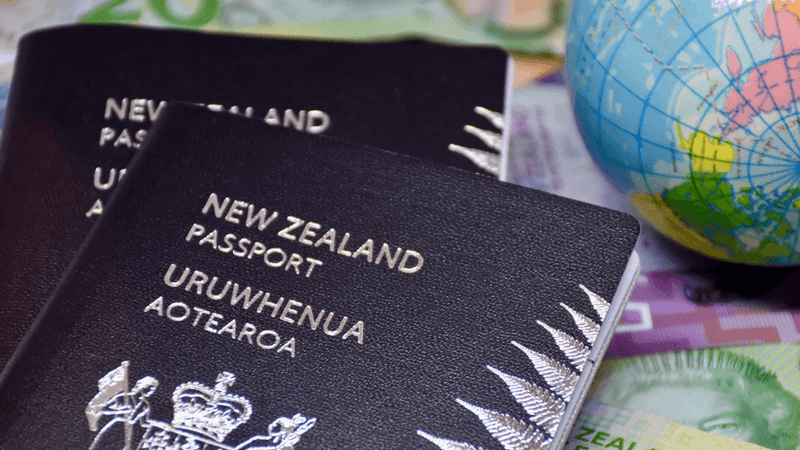
Arriving in New Zealand marks the beginning of an exciting new chapter, but the first few days and weeks can feel overwhelming. Having a structured checklist helps ensure you complete essential tasks in the right order, avoid common mistakes, and settle in efficiently.
This comprehensive guide breaks down your arrival into manageable phases: pre-arrival preparation, first 48 hours, first week, first month, and first 90 days. Each phase focuses on time-sensitive priorities while building toward long-term settlement success.
Important Note: This guide provides general information about official processes and requirements. Always verify current requirements with official New Zealand government websites (immigration.govt.nz, ird.govt.nz) as regulations can change. For specific situations, consult qualified professionals.
24-48 Hours Before Departure: Pre-Arrival Preparation
Proper preparation before departure can save significant time and stress upon arrival. These final tasks ensure you're ready to hit the ground running.
Essential Documents Check
Physical Documents (keep in carry-on):
- Valid passport with appropriate visa
- Visa approval letter or eVisa confirmation
- Travel insurance documents
- Medical certificates and prescription records
- Birth certificates and marriage certificates (certified copies)
- Academic transcripts and professional qualifications
- Employment offer letters or contracts
- Bank statements and financial evidence
- Driver's license (for conversion to NZ license)
Digital Copies:
- Store PDF copies in secure cloud storage (Google Drive, iCloud, Dropbox)
- Email copies to yourself from multiple accounts
- Share copies with trusted family member overseas
- Save offline copies on phone/tablet
Financial Preparation
- Notify your home bank: Inform them of travel dates to avoid card blocks
- Check international fees: Understand your bank's overseas transaction charges
- Currency conversion: Bring some NZ cash for immediate expenses (NZ$500-1000)
- Multiple payment methods: Carry at least two different cards (Visa/Mastercard preferred)
- International money transfers: Set up efficient ways to transfer money to New Zealand for setup costs
- Belongings shipment: Finalize your shipping arrangements if sending items separately
- Wise or similar: Consider setting up Wise for international transfers
Technology Setup
- Phone unlocking: Ensure your phone is unlocked for NZ SIM cards
- Essential apps: Download Google Maps, WhatsApp, and Google Translate
- Offline maps: Download Auckland, Wellington, or Christchurch maps for offline use
- Time zone adjustment: Start adjusting sleep schedule 2-3 days before travel
- Backup power: Pack portable phone charger and universal adapter
Health Preparation
- Medications: Pack sufficient prescription medications for first month
- Medical records: Organize vaccination records and medical history
- Health insurance: Confirm travel insurance covers initial period in NZ
- Prescription documentation: Carry doctor's letter explaining medications
- Family considerations: If moving with children, ensure you have their medical records and school documents ready
First 48 Hours: Critical Survival Tasks
Your first two days focus on immediate needs: safety, communication, and basic orientation. These tasks form the foundation for everything else.
Upon Landing at the Airport
Immigration and Customs Process:
- Have passport and visa documents ready for immigration officer
- Declare any prohibited items honestly on customs declaration
- Collect all luggage before leaving baggage claim area
- Keep arrival stamp page visible - you'll reference it frequently
Immediate Airport Tasks:
- Currency exchange: Get some NZ cash if you didn't bring any
- Airport WiFi: Connect to free airport WiFi to contact family
- Transportation to accommodation: Pre-book shuttle, taxi, or arrange pickup
- SIM card (optional): Airport kiosks sell tourist SIM cards, but city options are cheaper
First Day Priorities
1. Secure Accommodation Check-in
- Confirm your booking details and payment method
- Understand house rules, WiFi passwords, and emergency contacts
- Identify nearest supermarket, pharmacy, and medical center
- Test all provided amenities (heating, hot water, internet)
2. Establish Communication
- Local SIM card: Visit Vodafone, Spark, or 2degrees store for better rates than airport
- Contact family: Confirm safe arrival and share local contact number
- Emergency contacts: Save 111 (emergency services) and relevant embassy numbers
- WiFi setup: Ensure reliable internet for online tasks ahead
3. Essential Supplies
- Food and water: Basic groceries for first few meals
- Personal care items: If not packed or delayed luggage
- Weather-appropriate clothing: New Zealand weather can be unpredictable
- Basic medications: Paracetamol, basic first aid supplies
- Local grocery orientation: Familiarize yourself with New Zealand food and groceries to know what to expect when shopping
Second Day: Orientation and Planning
Area Familiarization:
- Walk or drive around your immediate neighborhood
- Locate nearest supermarket (Countdown, New World, Pak'nSave)
- Find closest pharmacy, doctor's clinic, and hospital
- Identify public transport stops and routes
- Locate library (offers free internet and local information)
Digital Setup:
- Download essential New Zealand apps based on your digital life needs
- Create TradeMe account (New Zealand's main marketplace)
- Join Facebook groups for your area and expatriate community
- Set up online banking access if you pre-arranged an account
First Week: Essential Administrative Setup
Your first week focuses on establishing the legal and financial foundations for life in New Zealand. Prioritize tasks that enable other processes.
Priority 1: IRD Number Application (Day 1-3)
Your IRD (Inland Revenue Department) number is essential for employment, banking, and government services. You can apply as soon as you arrive.
Application Process:
- Online application: Apply at ird.govt.nz using your passport and visa details
- Required documents: Passport, visa, and New Zealand address
- Processing time: Usually 7-10 business days
- Temporary accommodation: Use your initial accommodation address; you can change it later
For detailed IRD number guidance, see our complete tax guide for migrants.
Priority 2: Bank Account Setup (Day 2-5)
Most major NZ banks allow account opening without an IRD number, but having one speeds up the process.
Required Documents:
- Passport with visa
- New Zealand address (tenancy agreement or letter from accommodation)
- Employment letter or proof of funds
- IRD number (if available)
Bank Options:
- ANZ: Large branch network, good digital banking
- ASB: Strong customer service, innovative digital features
- BNZ: Comprehensive services, good business banking
- Westpac: Global brand, good for international connections
- Kiwibank: New Zealand-owned, competitive rates
Our comprehensive banking guide covers account types, fees, and choosing the right bank.
Priority 3: Phone and Internet Setup (Day 1-5)
Reliable communication is essential for job hunting, apartment searching, and staying connected.
Mobile Phone Options:
- Spark: Largest network coverage, reliable in rural areas
- Vodafone (One NZ): Good urban coverage, competitive data plans
- 2degrees: Budget-friendly option, sufficient for most users
See our detailed connectivity guide for plan comparisons and setup processes.
Priority 4: Transportation Setup (Day 3-7)
Public Transport Cards:
- Auckland: AT HOP card for buses, trains, and ferries
- Wellington: Snapper card for all public transport
- Christchurch: Metrocard for bus services
Rideshare Apps:
- Download Uber for convenient transport before getting a car
- Install Ola as an alternative in Auckland and Wellington
For comprehensive guidance on all transport options, see our detailed transportation guide covering public transport, car buying, and getting around different cities.
If you plan to drive, start researching license conversion requirements.
Priority 5: Temporary Accommodation Extension or Permanent Housing Search
If staying in temporary accommodation, you'll likely need to extend or find permanent housing.
Temporary Accommodation:
- Confirm extension options and rates with current accommodation
- Book additional nights if needed while searching for permanent housing
- Ask for letter confirming your stay for bank account and other applications
Permanent Housing Search:
- Create TradeMe account and set up property alert emails
- Research suburbs and rental prices in your target area
- Research different cities and suburbs using our guide to where to live in New Zealand
- Prepare rental application documents (passport, visa, employment letter, bank statements)
- Consider temporary shared accommodation while searching for ideal property
- If you have pets, understand the specific requirements for renting with pets in New Zealand
Our rental accommodation guide covers the complete renting process, including viewing properties and application requirements.
First Month: Getting Established
With basic infrastructure in place, your first month focuses on settling into permanent accommodation, establishing routines, and building local connections.
Housing and Utilities (Week 1-2)
If you found permanent accommodation, coordinate the move and utility connections.
Moving Process:
- Schedule move-in inspection and document any existing damage
- Set up rental insurance before moving in
- Arrange utility connections (electricity, gas, internet) at least one week before moving
- Submit bond payment (up to 4 weeks' rent) to Tenancy Services
- Update your address with bank, IRD, and other services
Utility Setup:
- Electricity: Choose provider (Contact Energy, Mercury, Genesis, Electric Kiwi)
- Gas: Contact Gas, Genesis, or other providers if needed
- Internet: Spark, Vodafone, Orcon, or local fiber providers
- Water: Usually included in rent or managed by local council
Employment Setup (Week 1-4)
If you have a job offer, complete employment paperwork. If job hunting, establish your search strategy.
Starting Employment:
- Complete IRD tax code declaration with your employer
- Provide bank account details for salary payments
- Complete employment contract and health & safety training
- Set up KiwiSaver (New Zealand's retirement savings scheme)
- Understand your employment rights and responsibilities
Job Searching:
- Create profiles on SEEK, Trade Me Jobs, and LinkedIn
- Adapt your CV to New Zealand format and standards
- Research industry networks and professional associations
- Consider temporary or part-time work while searching for permanent roles
- Register with relevant recruitment agencies
Our employment guide covers job market insights, CV formatting, and interview preparation for New Zealand.
Healthcare Registration (Week 1-3)
Register with local healthcare providers even if you're healthy – it's easier before you need care.
GP (General Practitioner) Registration:
- Find local GP practice accepting new patients
- Register online or visit in person with passport and visa
- Provide previous medical history and current medications
- Understand consultation fees and what your visa covers
Specialist Healthcare:
- Dentist: Find local dental practice (usually not covered by public system)
- Optometrist: If you wear glasses/contacts
- Pharmacist: Register with local pharmacy for prescription management
See our healthcare system guide for detailed information about coverage and costs.
Driver's License Conversion (Week 2-4)
If you plan to drive, start the license conversion process early as it can take several weeks.
Requirements Check:
- Verify if your country has license conversion agreement with New Zealand
- Gather required documents (overseas license, passport, translation if needed)
- Book written test appointment if required
- Consider professional driving lessons to learn local road rules
Car Purchase Preparation:
- Research New Zealand road rules and driving conditions
- Investigate car insurance options and requirements
- Learn about WoF (Warrant of Fitness) and registration requirements
- Consider AA membership for roadside assistance
Our driver's license guide covers the complete conversion process for different countries.
Social Integration (Week 1-4)
Building local connections improves your settlement experience and provides practical support.
Community Connections:
- Join Facebook groups for your suburb and ethnic/national community
- Attend local community events, markets, and festivals
- Visit local library for community event information
- Join sports clubs, hobby groups, or volunteer organizations
- Attend migrant support group meetings if available
Professional Networking:
- Join professional associations in your field
- Attend industry meetups and networking events
- Connect with other professionals on LinkedIn
- Consider joining local business networking groups
Our cultural guide helps you understand New Zealand social norms and friendship-building strategies.
First 90 Days: Integration and Optimization
Your first three months focus on optimizing your setup, building deeper community connections, and planning for long-term success.
Financial Optimization (Month 2-3)
With income established, optimize your financial setup for New Zealand conditions.
Banking Optimization:
- Review account fees and switch to better options if needed
- Set up automatic payments for regular bills (rent, utilities, phone)
- Establish emergency savings fund in high-interest account
- Consider credit card for building local credit history
- Set up international transfer solution for sending money overseas
- Review your overall budget and compare against realistic cost of living expectations
- Implement money-saving strategies from your pre-move financial planning
Investment and Savings:
- Optimize KiwiSaver contributions and provider selection
- Research investment options (Sharesies, InvestNow for beginners)
- Consider term deposits for emergency fund parking
- Understand tax implications of different investment types
For retirement planning, see our detailed KiwiSaver guide.
Career Development (Month 2-3)
Focus on professional growth and career advancement in New Zealand.
Professional Recognition:
- Complete professional registration or certification if required in your field
- Research continuing professional development requirements
- Connect with industry mentors or professionals
- Consider additional training or qualifications to improve employability
Skills Development:
- Identify skills gaps compared to New Zealand market demands
- Enroll in relevant courses or training programs
- Improve English communication skills if needed
- Learn New Zealand business culture and practices
Our guide to qualification recognition helps with professional credential assessment.
Home Setup and Comfort (Month 2-3)
Make your living space comfortable and functional for New Zealand conditions.
Furniture and Appliances:
- Furnish your home gradually using Trade Me, The Warehouse, and other local options
- Invest in proper heating solutions (heatpump, oil heater) before winter
- Set up proper insulation and draft-stopping measures
- Consider purchasing quality bedding and warm clothing for winter
Insurance Setup:
- Review and optimize contents insurance coverage
- Consider life insurance and income protection if employed
- Research health insurance options to supplement public healthcare
- Update car insurance if you've purchased a vehicle
See our comprehensive insurance guide for coverage options and recommendations.
Legal and Administrative Completion (Month 2-3)
Complete remaining legal and administrative tasks for full integration.
Tax Setup:
- Understand your tax obligations and filing requirements
- Set up myIR account for online tax management
- Organize tax-related documents and record-keeping system
- Consider engaging accountant if you have complex tax situation
Legal Documentation:
- Create or update will for New Zealand assets and circumstances
- Consider power of attorney arrangements
- Understand your rights and obligations as a New Zealand resident
- Register to vote if eligible (permanent residents)
Future Planning (Month 2-3)
Start planning for medium and long-term goals in New Zealand.
Pathway to Permanent Residency:
- Understand your visa pathway to permanent residency
- Track requirements and evidence needed for future applications
- Maintain accurate records of employment, address, and travel history
- Consider engaging immigration advisor for complex situations
Family Reunion:
- Research family visa categories if applicable
- Understand income and accommodation requirements for sponsoring family
- Begin saving for family visa application costs
- Consider housing upgrades if family will join you
- If bringing pets later, understand the complete pet import process and start early
Travel Planning:
- Understand travel restrictions on your visa type
- Plan visits home while maintaining New Zealand residency requirements
- Research New Zealand travel destinations for holidays
- Consider AA membership for domestic travel benefits
Seasonal Considerations
Understanding New Zealand's climate and weather patterns helps you prepare appropriately for your arrival season.
Your arrival experience varies significantly depending on the time of year. Plan accordingly for seasonal challenges and opportunities.
Summer Arrival (December - February)
Advantages:
- Warm weather makes moving and house hunting easier
- More daylight hours for administrative tasks
- Peak tourist season means more accommodation options
- Job market typically active after holiday period
Challenges:
- Higher accommodation costs during peak season
- Many businesses closed between Christmas and New Year
- Competition for rental properties from students returning for university
- Intense UV requires immediate sun protection measures
Specific Preparation:
- Pack high-quality sunscreen and hat
- Plan for potential delays during holiday period (Dec 25 - Jan 5)
- Book accommodation well in advance
- Take advantage of January sales for household items
Winter Arrival (June - August)
Advantages:
- Lower accommodation costs during off-peak season
- Less competition for rental properties
- More focused job hunting without holiday distractions
- Cooler weather may be more comfortable for some migrants
Challenges:
- Cold, damp conditions in many homes
- Higher electricity costs for heating
- Shorter daylight hours limit daily activities
- Weather may delay outdoor tasks like car shopping
Specific Preparation:
- Pack warm, waterproof clothing immediately accessible
- Budget for higher heating costs
- Research indoor activities and community centers
- Consider vitamin D supplements due to limited sunlight
Shoulder Season Arrival (March-May, September-November)
Advantages:
- Mild weather ideal for settling in
- Moderate accommodation prices
- Good balance of daylight and manageable temperatures
- Less seasonal competition for services
Considerations:
- Weather can be unpredictable – pack layers
- Some tourist services may have reduced hours
- Plan ahead for winter preparation if arriving in autumn
Emergency Contacts and Resources
New Zealand's location makes emergency preparedness important. Familiarize yourself with our complete emergency preparedness guide covering natural disasters and safety protocols.
Save these essential contact numbers and bookmark important websites before you need them.
Emergency Numbers
- 111: Police, Fire, Ambulance (life-threatening emergencies only)
- *555: Report non-urgent traffic incidents while driving
- 105: Police non-emergency line (online at 105.police.govt.nz)
- 0800 611 116: Healthline (free health advice 24/7)
- 1737: Need to talk? (free counseling service)
Government Services
- Immigration New Zealand: immigration.govt.nz, 0508 558 855
- Inland Revenue Department: ird.govt.nz, 0800 227 774
- Tenancy Services: tenancy.govt.nz, 0800 836 262
- Work and Income: workandincome.govt.nz, 0800 559 009
- Transport Agency: nzta.govt.nz, 0800 699 000
Consumer Protection
- Commerce Commission: comcom.govt.nz, 0800 943 600
- Disputes Tribunal: disputestribunal.govt.nz, 0800 367 787
- Banking Ombudsman: bankomb.org.nz, 0800 805 762
- Consumer NZ: consumer.org.nz
Embassy and Consulate Services
- Contact your home country's embassy or consulate in New Zealand
- Register with your embassy for emergency notifications
- Understand consular services available to you
- Keep embassy contact information easily accessible
Common Arrival Mistakes to Avoid
Many of these mistakes align with broader migration errors. For additional insights, see our guide on common mistakes when moving to New Zealand.
Learning from others' experiences can save you time, money, and frustration.
Financial Mistakes
- Not applying for IRD number immediately: This delays banking, employment, and other services
- Using expensive airport currency exchange: City banks and bureaux offer better rates
- Not notifying home bank of travel: Card blocking can leave you stranded
- Underestimating setup costs: First month expenses are typically 50% higher than expected
- Not budgeting for bond and advance rent: Rental properties require up to 6 weeks' rent upfront
Accommodation Mistakes
- Booking only first few nights: Finding permanent housing takes longer than expected
- Not reading tenancy agreement carefully: Understand all obligations before signing
- Rushing into first available rental: Take time to find suitable long-term accommodation
- Ignoring heating costs: New Zealand homes can be expensive to heat
Administrative Mistakes
- Not keeping multiple document copies: Lost passports and visas cause major delays
- Using temporary address for important services: Change addresses promptly when moving
- Delaying healthcare registration: Getting sick without a GP is stressful and expensive
- Not understanding visa conditions: Accidental breaches can affect future applications
Social Integration Mistakes
- Staying isolated in expat communities: Balance cultural familiarity with local integration
- Not learning local customs quickly: Small cultural adaptations make big differences
- Comparing everything to home country: Embrace differences rather than criticizing them
- Not networking professionally: New Zealand's job market relies heavily on relationships
Digital Tools and Apps for Arrival
The right digital tools make your arrival and settlement process significantly smoother.
Essential Apps for First Week
- Google Maps: Navigation and location finding
- Trade Me: Accommodation, furniture, and general marketplace
- Banking app: Your chosen bank's mobile application
- Public transport app: AT Mobile (Auckland), Metlink (Wellington), or Metro Info (Christchurch)
- MetService: Weather forecasting
- Uber: Transportation before getting car/public transport sorted
Helpful Settlement Apps
- Facebook: Join local community and expat groups
- WhatsApp: Stay connected with family overseas
- Neighbourly: Connect with neighbors and local community
- SEEK: Job searching
- GeoNet: Earthquake monitoring (don't panic, just stay informed)
- Eventfinda: Local events and activities
For comprehensive digital setup guidance, see our complete digital life guide.
Building Your Support Network
Creating a reliable support network is crucial for successful settlement and long-term happiness in New Zealand.
Professional Support Services
- Migration consultants: For visa and residency pathway guidance
- Accountants: For tax planning and business setup
- Real estate agents: For property purchasing advice when ready
- Insurance brokers: For comprehensive insurance planning
- Financial advisors: For investment and retirement planning
Community Support Networks
- Ethnic community groups: Cultural familiarity and specific advice
- Religious organizations: Spiritual support and community connection
- Professional associations: Career development and industry networking
- Sports and hobby clubs: Social connections through shared interests
- Sports and recreation clubs: Joining sports clubs is a great way to understand New Zealand's sports culture and meet locals
- Volunteer organizations: Give back while building relationships
Mentorship and Guidance
- Work mentors: Learn New Zealand workplace culture
- Cultural mentors: Understand local customs and social norms
- Career mentors: Professional development guidance
- Family friends: Practical advice and emotional support
Planning Beyond 90 Days
Your first 90 days lay the foundation for long-term success in New Zealand. Start planning for major milestones beyond the initial settlement period.
Six Month Goals
- Stable employment with career progression plan
- Permanent accommodation you're happy with
- Established social circle including local friends
- Financial systems optimized for New Zealand conditions
- Good understanding of local culture and customs
- Healthcare relationships established and maintained
One Year Goals
- Strong professional network in your industry
- Clear progress toward permanent residency
- Emergency fund equivalent to 3-6 months expenses
- Comfortable with New Zealand driving conditions
- Explored various regions of New Zealand
- Established investment and retirement planning
Long-term Integration
- Property ownership: Consider buying property when financially ready
- Family planning: Understand New Zealand's family support systems
- Career advancement: Build toward leadership roles or business ownership
- Citizenship pathway: Plan for eventual New Zealand citizenship if desired
- Community contribution: Take leadership roles in community organizations
For detailed information about settling into long-term New Zealand life, read our guide on what to expect in your first six months.
Conclusion
Arriving in New Zealand is both exciting and challenging. This comprehensive checklist provides structure during potentially overwhelming first weeks, but remember that everyone's settlement experience is unique. Be flexible with timelines, patient with processes, and kind to yourself as you adapt.
The most important advice is to stay organized, ask questions when uncertain, and connect with both local communities and other migrants. New Zealanders are generally helpful and welcoming to newcomers who show genuine interest in contributing to their communities.
Keep this checklist accessible during your first three months, but don't feel pressured to complete everything perfectly or on schedule. Some tasks may take longer than expected due to individual circumstances, seasonal factors, or simply the learning curve of navigating a new country.
Remember that settling in New Zealand is a marathon, not a sprint. Your first 90 days are about establishing foundations – the real richness of New Zealand life unfolds over months and years as you build relationships, explore the country, and create your unique place within New Zealand society.
Most importantly, celebrate small wins along the way. Each completed task, each new connection made, and each challenge overcome brings you one step closer to feeling truly at home in Aotearoa New Zealand.
Ready to Plan Your Arrival in New Zealand?
Use our comprehensive planning platform to organize your arrival checklist, track completed tasks, and manage every aspect of your move to New Zealand with confidence.
Get Started Free100% Free • No credit card required • No hidden costs
Continue Your Research:
- → What to Expect in Your First 6 Months in New Zealand (2026 Guide)
- → New Zealand Digital Life: Essential Apps, Websites & Online Services for Migrants
- → Opening a Bank Account in New Zealand: Complete Guide for Migrants
- → Getting Connected in New Zealand: Phone, Internet & Utilities Setup Guide
- → Understanding New Zealand Tax: IRD Numbers, PAYE & Filing for Migrants