New Zealand's stunning natural beauty comes with a reality many migrants don't fully appreciate until they arrive: this is a geologically active country prone to natural disasters. Understanding how to prepare for and respond to emergencies isn't optional—it's an essential part of living safely in Aotearoa.
If you're from a region without earthquakes, tsunamis, or volcanic activity, emergency preparedness might feel unnecessary or overly cautious. But in New Zealand, being prepared for natural disasters is as routine as having home and contents insurance. It's not about living in fear—it's about being ready so you can respond calmly and effectively if an emergency occurs. This is why building your emergency kit and understanding safety procedures should be on your arrival checklist alongside other essential tasks like opening a bank account and registering with a GP.
Important: This guide provides practical safety information for migrants. In an actual emergency, always follow official instructions from Civil Defence and emergency services. Call 111 in life-threatening emergencies. This information is educational and does not replace official emergency guidance.
Understanding New Zealand's Natural Hazards
New Zealand sits on the boundary of two tectonic plates—the Pacific Plate and the Australian Plate. This location creates the dramatic mountains and landscapes that make the country beautiful, but it also means New Zealand experiences significant seismic activity and other natural hazards.
Earthquakes: The Primary Concern
New Zealand experiences approximately 15,000 earthquakes each year, though most are too small to feel. However, damaging earthquakes do occur. The 2011 Christchurch earthquake killed 185 people and devastated the city. The 2016 Kaikōura earthquake caused widespread damage and road closures. Major earthquakes remain a genuine risk throughout the country.
Different regions face different levels of earthquake risk. Wellington, for instance, is known for sitting on major fault lines and regularly experiences small tremors. However, even areas with historically lower seismic activity can experience significant earthquakes—as Christchurch learned. No part of New Zealand is entirely exempt from earthquake risk.
Tsunamis: Coastal Threat
Earthquakes under the ocean can generate tsunamis—large waves that pose severe danger to coastal areas. New Zealand's long coastline means many communities face tsunami risk. In 2011, the Japanese earthquake generated a tsunami that reached New Zealand, causing evacuations and some damage.
Tsunami risk varies by location. Coastal areas, especially those on the Pacific Coast of the North Island and the east coast of the South Island, face higher risk. Low-lying coastal areas and harbors are particularly vulnerable. If you're considering where to live in New Zealand, understanding tsunami zones is important if you're choosing a coastal location.
Volcanic Activity
New Zealand has several active volcanoes, primarily in the central North Island. The 2019 Whakaari (White Island) eruption tragically killed 22 people. While volcanic eruptions are less frequent than earthquakes, they pose real risks to nearby communities and can disrupt air travel nationwide.
Severe Weather Events
Beyond geological hazards, New Zealand experiences severe weather including flooding, landslides, strong winds, and occasional tropical cyclones. Climate patterns vary significantly by region—something we discuss in detail in our complete climate and weather guide.
The 111 Emergency Number
This is critical information for all migrants: In New Zealand, the emergency number is 111. This is different from 999 (UK), 000 (Australia), or 911 (North America). Calling 111 connects you to Police, Fire, or Ambulance services.
Use 111 for life-threatening emergencies only. For non-emergency police matters, call 105. For health concerns that aren't immediately life-threatening, contact Healthline (0800 611 116) for advice. Understanding how New Zealand's healthcare system works helps you know when to use emergency services versus regular medical care.
Make sure everyone in your household knows to dial 111 in an emergency. This is particularly important for children or elderly family members who might instinctively try to dial the emergency number from their home country.
Building Your Emergency Kit
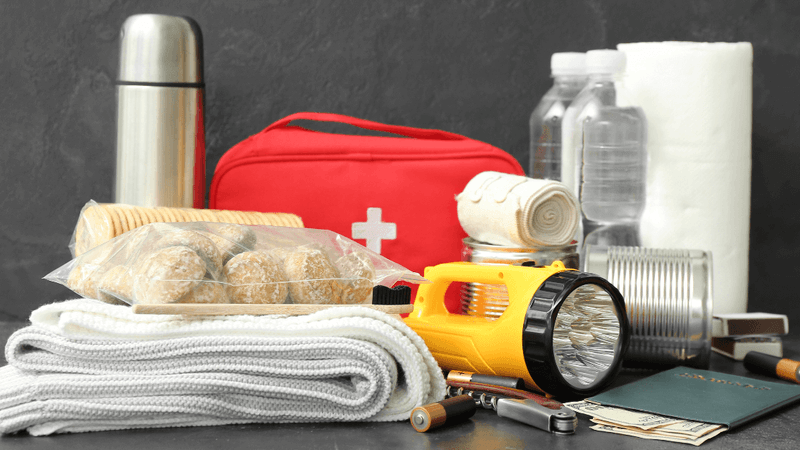
Every household in New Zealand should maintain an emergency kit with supplies to last at least three days without external support. After major disasters, it may take several days before help reaches you or services are restored. Building your emergency kit should be one of your priorities during your first month in New Zealand—don't wait until you're "fully settled" as emergencies don't wait.
Water
Store at least 3 liters of water per person per day, for at least three days. This means a family of four needs at least 36 liters of stored water. Use bottled water or fill clean containers. Rotate water supplies every 12 months to maintain freshness.
Food
Keep non-perishable food that requires no cooking or refrigeration. Good options include canned goods, dried fruits and nuts, crackers, energy bars, and dried soup mixes. Include a can opener if you have canned foods. Don't forget food for infants if you have young children, and pet food if you have animals. When you're doing your regular grocery shopping, consider adding extra non-perishable items specifically for your emergency kit.
Essential Supplies
Your emergency kit should include a battery-powered or hand-crank radio for emergency broadcasts, torches with extra batteries, a first aid kit with basic medications, face masks and hand sanitizer, toilet paper and hygiene supplies, sturdy shoes and warm clothing, a portable phone charger, and waterproof bags for important documents.
Important Documents
Keep copies of essential documents in a waterproof container. Include passports and visas, birth certificates, insurance policies (especially important - review our complete insurance guide to ensure you have proper coverage), bank account information, and emergency contact numbers. Consider storing digital copies in secure cloud storage as backup.
Special Considerations
Adjust your emergency kit for your household's specific needs. Include prescription medications with at least a week's supply, baby supplies including formula and diapers if you have infants, supplies for elderly family members with mobility or medical needs, pet supplies including food and medication, and items for individuals with disabilities.
Creating Your Emergency Plan
Having supplies is important, but you also need a plan that everyone in your household understands and can follow during a crisis. Creating this plan should happen within your first few weeks of arrival—add it to your settling-in checklist right after you've secured accommodation and understand your neighborhood.
Establish Meeting Points
Identify where your household will meet if you're separated during an emergency. Choose a safe spot near your home for minor emergencies, and a backup location outside your neighborhood in case you can't return home. Make sure everyone knows both meeting points.
Emergency Contacts
Create a written list of emergency contacts including family members, close friends, your children's school (see our guide on moving to New Zealand with children for school safety information), your workplace, your GP or medical center, and an out-of-region contact person who can help coordinate if local communications are disrupted.
Make sure everyone has this information in multiple formats—written, stored in phones, and memorized for critical numbers like 111.
Household Evacuation Routes
Know the exits from your home and practice using them. Identify primary and alternative routes out of your neighborhood. If you live in a tsunami evacuation zone, know the exact route to higher ground and how long it takes to reach safety. Time yourself walking these routes so you have realistic expectations.
Practice Your Plan
Run through your emergency plan with your household at least twice a year. Practice earthquake drop, cover, and hold procedures. Walk your evacuation routes. Check your emergency kit supplies and replace anything expired or used.
Earthquake Safety: What to Do
Earthquakes strike without warning. Knowing how to respond immediately can prevent serious injury or death.
During an Earthquake
If you're indoors, follow these steps immediately: Drop to your hands and knees to prevent being knocked down. Cover your head and neck under a sturdy desk or table if possible, or against an interior wall away from windows. Hold on to your shelter until shaking stops. Do not run outside during shaking—more injuries occur from people running than from staying put.
If you're outdoors when shaking begins, move away from buildings, trees, power lines, and other structures that could fall. Once in the open, drop, cover your head and neck, and stay down until shaking stops.
If you're driving, slow down and stop in a clear location away from buildings, trees, overpasses, and power lines. Stay inside your vehicle with your seatbelt fastened until shaking stops. Be prepared for aftershocks and check for hazards before continuing to drive. Understanding New Zealand's roads and driving conditions helps you make safer decisions about where to stop during emergencies.
After an Earthquake
Once shaking stops, expect aftershocks—these can be strong enough to cause additional damage. Check yourself and others for injuries. Don't move seriously injured people unless they're in immediate danger. Check for hazards in your home including gas leaks (if you smell gas, open windows and leave immediately), water leaks, electrical damage, and structural damage.
Turn off utilities if you suspect damage. Listen to your emergency radio for information and instructions from Civil Defence. Don't use your phone except for emergencies—networks may be overloaded.
Tsunami Safety: Rapid Response Required
Tsunamis require immediate action. If you live or work in a coastal area, understanding tsunami response is critical.
Natural Warnings
Three natural signs indicate a tsunami may be coming and require immediate evacuation: a strong earthquake lasting a minute or longer, unusual ocean behavior such as rapid withdrawal of water from the beach, or unusual ocean sounds such as loud roaring.
If you observe any of these signs, don't wait for official warnings. Move immediately to higher ground or inland. Natural warnings give you only minutes to evacuate.
Official Warnings
New Zealand has official tsunami warning systems. Coastal sirens may sound, and you'll receive Emergency Mobile Alerts on your phone. Radio stations will broadcast warnings and instructions. Follow these warnings immediately and evacuate to designated safe zones.
Evacuation Procedures
Know your tsunami evacuation zone if you live or work on the coast. Maps are available from your local council and Civil Defence. When evacuating, move quickly inland or to higher ground at least 35 meters above sea level if possible. Walk or run if possible—roads may be congested. Don't return until officials declare it safe. Tsunamis can have multiple waves over many hours.
Understanding Civil Defence Emergency Management
New Zealand's Civil Defence Emergency Management system coordinates emergency preparedness and response. Understanding how this system works helps you access accurate information and support during emergencies.
Emergency Mobile Alerts
New Zealand uses Emergency Mobile Alerts to send critical information directly to mobile phones in affected areas. These alerts appear on your phone automatically without needing to download an app or sign up. They work on most mobile phones and networks.
When you receive an Emergency Mobile Alert, read it immediately. These alerts are sent only for serious threats requiring immediate action, including earthquakes, tsunamis, dangerous weather events, and other emergencies.
Local Civil Defence Groups
Each region has a Civil Defence Emergency Management group responsible for local emergency response and recovery. Register with your local group to receive updates and warnings specific to your area. Find your local group on the National Emergency Management Agency website.
Community Emergency Hubs
Many communities have designated Civil Defence Emergency Hubs that activate during major disasters. These hubs provide information, support, and assistance when normal services are disrupted. Find your nearest emergency hub before an emergency occurs so you know where to go if needed.
Home Emergency Preparedness
Making your home safer and more resilient to emergencies requires both immediate actions and longer-term considerations.
Securing Your Home
Prevent items from becoming hazards during earthquakes by securing tall furniture to walls, placing heavy items on lower shelves, securing water heaters and gas bottles, and ensuring nothing heavy is stored above beds. When you're searching for rental accommodation, consider the age and construction of the building—newer buildings meet stricter earthquake safety standards.
Utility Safety
Know how to shut off gas, water, and electricity at the mains. Keep necessary tools accessible. If you're setting up utilities in your new home, ask providers about emergency procedures and shut-off locations.
Regular Maintenance
Maintain smoke alarms and carbon monoxide detectors. Clear gutters and drains to reduce flooding risk. Trim trees near your home to prevent damage from falling branches during storms. Store hazardous materials safely and securely.
Insurance Considerations for Natural Disasters
Understanding what insurance covers—and doesn't cover—for natural disasters is crucial for migrants. New Zealand's insurance system differs from many other countries.
EQC (Earthquake Commission)
The Earthquake Commission is a government organization that provides natural disaster insurance for residential properties. If you have home or contents insurance, you're automatically covered by EQC for earthquake, natural landslip, volcanic eruption, hydrothermal activity, and tsunami damage up to certain caps.
EQC coverage has limits. For homes, it covers up to $300,000 for building damage. For contents, it covers up to $20,000 per item and $100,000 total. Damage beyond these amounts is covered by your private insurer if you have adequate coverage. This is why proper insurance planning is essential—many migrants underinsure and face significant gaps after disasters.
Private Insurance Coverage
Your private home and contents insurance works together with EQC to provide comprehensive coverage. Ensure your sum insured is adequate to cover full replacement. Review your policy to understand what's covered and what's excluded. Consider additional cover for items worth more than $20,000.
Don't wait to sort out insurance. When settling into your new life, arranging proper insurance should be an early priority. After major disasters, insurance becomes harder to obtain or significantly more expensive.
Workplace Emergency Preparedness
Your workplace should have emergency procedures, but as a new migrant, you need to proactively understand and practice them.
Ask about emergency procedures during your first days at any new job. Locate all fire exits and assembly points. Know where first aid supplies are kept. Understand your building's earthquake procedures. Participate in fire drills and other emergency exercises. When starting a new job, don't hesitate to ask about emergency procedures—safety consciousness is valued in New Zealand workplaces.
Keeping Children Informed and Prepared
If you've moved to New Zealand with children, helping them understand and prepare for emergencies is important without causing unnecessary fear.
Explain natural hazards in age-appropriate ways. Practice earthquake drills at home using the "drop, cover, hold" method. Teach children to call 111 in emergencies. Ensure they know your family meeting points and how to contact you. Schools regularly practice emergency drills, so children in New Zealand education become familiar with these procedures. Read our comprehensive guide on moving with children for more information on helping kids adjust.
Special Considerations for Pet Owners
If you've gone through the process of bringing your pet to New Zealand, protecting them during emergencies is also important.
Include pet supplies in your emergency kit with at least 3 days of food and water, medications if needed, a sturdy leash or carrier, recent photos and identification, and veterinary records. Identify pet-friendly evacuation locations in advance—not all emergency shelters accept animals. If you're renting with pets, discuss emergency plans with your landlord.
Staying Informed: Official Resources
Knowing where to get reliable, official information during emergencies is crucial. Many migrants inadvertently rely on social media or unofficial sources that spread misinformation during crises.
Key Official Resources
The National Emergency Management Agency website is the primary source for emergency preparedness information. Your local council and Civil Defence websites provide region-specific information and warnings. MetService provides official weather warnings. Radio New Zealand provides reliable emergency broadcasting on AM frequencies.
Download the Red Cross Hazard App for emergency alerts and safety information. Follow your local Civil Defence group on social media for official updates, but verify information against official websites during emergencies. Our guide on essential apps and digital tools for New Zealand includes other useful safety and communication apps you should have on your phone.
Psychological Preparedness
Physical preparation is important, but psychological readiness helps you respond effectively during actual emergencies.
Understand that feeling anxious about natural disasters is normal, especially if you're not used to seismic activity. Most earthquakes are minor and cause no damage. Preparation reduces anxiety by giving you control and readiness. Talk openly with your family about emergency preparedness without creating excessive fear. Focus on capability and readiness rather than worst-case scenarios.
Remember that New Zealanders live with these risks daily and lead normal, happy lives. Emergency preparedness is routine rather than obsessive. As you settle into your new Kiwi community, you'll notice this balanced, prepared-but-not-fearful attitude is part of local culture.
Common Mistakes Migrants Make
Understanding common emergency preparedness mistakes helps you avoid them.
Many migrants delay building emergency kits, thinking they'll do it later, but emergencies don't wait. Some assume their home country's emergency number works in New Zealand—it doesn't. Others ignore small earthquakes without understanding they could indicate more significant activity. Many migrants don't register with local Civil Defence or sign up for community alerts. Some don't understand tsunami evacuation zones if they live on the coast. And many fail to practice emergency procedures with their household.
Don't fall into these patterns. Make emergency preparedness part of your settling-in process by including it on your arrival action plan from day one. Review our guide on common mistakes when moving to New Zealand to ensure you're covering all essential bases.
Integrating Preparedness Into Your New Life
Emergency preparedness shouldn't feel like a burden—it's simply part of being a responsible resident in New Zealand. Many successful migrants add "build emergency kit" and "create household emergency plan" to their first-month arrival tasks, treating it with the same priority as setting up utilities or registering with a doctor.
Set calendar reminders to check emergency supplies twice yearly—perhaps when daylight saving changes. Include emergency kit items in your regular shopping rather than doing it all at once. Practice earthquake drills when you practice fire safety. Keep emergency information where everyone can easily access it. Treat emergency preparedness as routine maintenance, like servicing your car or maintaining your home. When you're budgeting and saving for your move, include costs for emergency supplies as part of your initial settling expenses.
As you build your budget for living in New Zealand, include a small amount for maintaining emergency supplies. It's a modest investment that provides significant peace of mind. Financial preparation also means ensuring you have adequate funds when you first arrive—our guide on opening a bank account in New Zealand helps you manage your finances effectively from day one.
Resources for Getting Started
New Zealand provides excellent free resources to help you prepare for emergencies. Don't wait—start using these resources now. Many migrants find it helpful to add "research local Civil Defence" and "download emergency apps" to their first week arrival checklist so these tasks don't get forgotten amid all the other settling-in activities.
Visit www.getready.govt.nz for comprehensive preparedness information, downloadable checklists, and guides in multiple languages. Sign up for emergency alerts through your local Civil Defence Emergency Management group. Download emergency preparedness apps including the Red Cross Hazard App. Contact your local council for information about tsunami zones, emergency hubs, and local hazards. Visit your local library—many provide free emergency preparedness materials and information sessions.
Important Reminder: Emergency preparedness is about being ready, not living in fear. Millions of people live safely in New Zealand by taking sensible precautions. Being prepared means you can respond effectively if an emergency occurs, allowing you to focus on enjoying all the wonderful aspects of your new home.
Final Thoughts: Preparedness is Empowerment
Moving to a country with different natural hazards can feel daunting at first. Many migrants initially worry about earthquakes and tsunamis, especially if they've never experienced them before. This concern is natural and understandable.
The good news is that preparedness transforms anxiety into capability. When you have emergency supplies ready, a practiced plan, and knowledge of what to do, you're no longer helpless—you're ready. This readiness allows you to enjoy your new life in New Zealand without constant worry.
New Zealand is a safe country with robust systems for managing natural disasters. Buildings meet strict earthquake codes. Emergency services are professional and well-equipped. Civil Defence systems provide clear warnings and guidance. The community generally responds effectively to emergencies when they occur.
Your job as a new migrant is simply to prepare appropriately, stay informed, and integrate emergency readiness into your routine. Do this, and you'll be as prepared as any New Zealander—ready to respond effectively if needed, but mostly just getting on with enjoying your new life. After all, there are many compelling reasons why people choose to move to New Zealand, and being prepared for natural hazards is simply one practical aspect of settling into this beautiful country.
Take the time to prepare properly. Build your emergency kit gradually if budget is a concern. Practice your plan with your household. Sign up for local alerts. Learn your evacuation routes. Then get on with exploring your new home, building your career, making friends, and enjoying all the incredible experiences New Zealand offers. If you're still in the planning stages, our 12-month pre-move timeline helps you organize all aspects of your migration, including emergency preparedness, in a systematic way.
Planning Your Move to New Zealand?
Get organized with your personalized immigration checklist, track your progress, and access links to official resources including Civil Defence and emergency services.
Start Your Free Migration Plan100% Free • No credit card required • Always free
Essential Guides for New Migrants:
- → What to Expect in Your First 6 Months in New Zealand
- → Insurance in New Zealand: Complete Guide for Migrants (2026)
- → Where to Live in New Zealand: City-by-City Guide for Migrants
- → Understanding Kiwi Culture & Making Friends in New Zealand
- → 10 Common Mistakes When Moving to New Zealand (And How to Avoid Them)
- → New Zealand Climate & Weather: Complete Guide for Migrants